Geothermal Energy Pros
- Geothermal energy is both sustainable and renewable. It is estimated that geothermal energy will last longer than the sun.
- The use of geothermal energy reduces the use of fossil fuels.
- This energy can easily and directly used in homes and businesses for things such as heating and cooking.
- The production of geothermal energy leads to the creation of jobs.
Cons
- As large amounts of gases such as carbon dioxide and methane are stored beneath Earth's surface, harnessing geothermal energy could lead to their being accidentally escaping into the atmosphere. This would add to the effects of global climate change and could lead to the formation of acid rain.
- Geothermal energy obtained through fracking can lead to earthquakes.
- Current technologies have not yet made the extraction of all geothermal energy economically feasible.
- The equipment used to extract geothermal energy requires fuel to run.
|
Biofuel
Pros
- Although biofuels emit carbon when burned, this is simply carbon that had already been taken out of the atmosphere through photosynthesis. Therefor, biofuels emit no net-carbon.
- Biofuel tends to be a resource that is well distributed.
- Biofuels benefit human health as they emit no sulfur.
- When biofuel is added to other fuel sources, it allows them to combust more completely, thus reducing pollution.
Cons
- Many people in developing nations use biomass as a fuel source for daily tasks such as heating their homes and cooking. This creates substantial amounts of indoor air pollution, which can be harmful to human health.
- While biofuel is much more renewable than fossil fuels, it is still not 100% renewable when compared to other sources such as solar energy or wind power. Using biofuel always poses the risk of over-harvesting.
- In order to produce biofuel, it must be grown as a crop, which takes up a lot of space. This is often leads to their being less space to produce food products.
- Biofuel has a low energy returned on invested (EROI) rate. |
Wind Energy
Pros
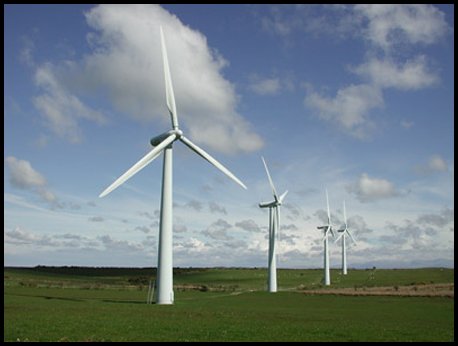
- Wind energy emits absolutely no pollutants aside from those created in the manufacturing of the turbines. It is estimated that one turbine turning for one year can lead to 1,500 less tons of carbon being emitted into the atmosphere.
- Wind energy is 100% renewable.
- Other than the initial cost of turbines, there are no production costs because the whole process is powered by wind.
- Wind energy has a high EROI rate, creating 23 times more energy than is consumed.
Cons
- Humans have no control of when or where wind blows. In order to generate energy, winds must be blowing at speeds of 16 to 60 mph.
- Some areas, such as mountainous regions and the Great Plains, are more windy than others. However, these locations tend to be less populated.
- The initial cost of the equipment needed to generate energy is expensive. There is also the likelihood that the equipment is damaged during a lightning storm due to its tall height.
- Complaints have been lodged about the noise generated by the turbines.
- Turbines pose a threat to flying animals such as birds and bats.
|
|
|
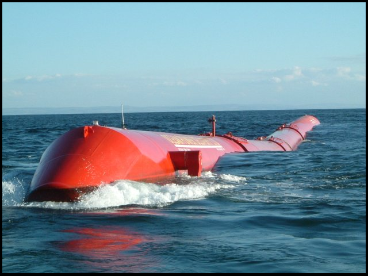
Tidal and Wave Energy Pros- Tidal energy is renewable, because waves are caused by the gravitational pull of the moon on the Earth and that won't end any time soon.
- No pollutants are released other than the ones emitted during the process of manufacturing the turbines.- The devices used to trap the energy can also protect the shore from erosion, especially during times of bad weather. Cons - The initial cost of the devices is very expensive. It costs almost as much as the construction of a dam.
- Tidal power stations can negatively impact surround aquatic life. Not only can fish and other animals become trapped in machine, it also interrupts their movements and passing.
- Tidal power station can prevent the passing of boats, causing them to have to find alternative, and possibly longer routes.
- Ocean storms and typhoons can damage the equipment needed to harness tidal power, which is already expensive in the first place.
|
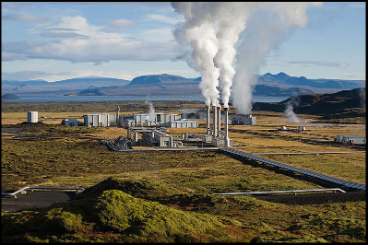
Nesjavellir Geothermal Power Station, Iceland
|
Solar Energy Pros
- Solar energy results in almost no pollution, only that which was given off during the manufacturing of the equipment.
- Solar panels can be installed in almost all sunny locations, from remote areas such as satellites in space to rooftops, which decreases worries about having available space for the panels.
- Solar energy is a completely renewable resources and will help decrease dependence on fossil fuels.
- The generation of solar electricity generates no sound, unlike many other energy sources.
Cons
- The major con of solar energy is the initial cost of the equipment. A single panel can cost as much as $1,000.
- Solar energy only works when the sun is out, which means on cloudy days or at night it won't be generating electricity. Solar panels also don't function as well in heavily polluted areas.
- Solar panels, whether on the ground or on rooftops, are not aesthetically appealing.
|
Hydropower
Pros
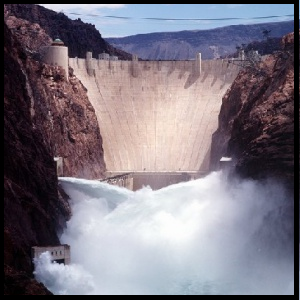
- Hydropower is renewable and reliable.
- Hydropower plants are generally built in conjunction with dams, thus leading to lower construction costs.
- Hydro power has a fairly high EROI ratio, 10:1.
- No pollutants are emitted.
Cons
- Hydropower facilities are generally accompanied by all of the negative impacts of dams.
- Hydropower can lead to thermal pollution as waters down stream become more shallow and therefore become warmer.
- Habitat alteration often occurs in dammed areas. Waters above the dam become deeper and waters below the dam become more shallow, making it harder for certain species to thrive in areas that were once their homes.
- Dams often prevent species of fish from passing, thus interrupting their migratory patterns and leading to habitat fragmentation.
|
|