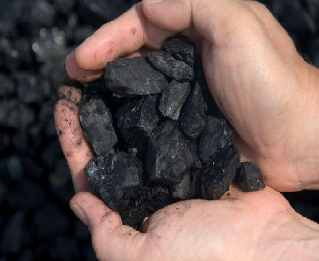
Coal Coal is an carbon-containing, organic fuel source formed under high pressure conditions. |
Pros - Coal is one of the most abundant fossil fuel in the world, with the U.S. holding around 25% of the reserves. - Compared to oil and natural gas, coal is fairly inexpensive, providing economic benefit to both consumers and businesses. - Coal is very versatile. It can be used as a solid or it can be converted into a liquid or a gas.
|
Cons - The burning of coal releases large amounts of pollutants such as sulfur dioxide, carbon dioxide, and mercury. - These pollutants have harmful effects on human health, especially the respiratory system, and also the environment, leading to acid precipitation.
- Although the United States has large coal reserves, it is still nonrenewable. - Coal mining is both dangerous to workers and destructive to the environment, destroying local habitats.
|
|
|
Natural Gas Natural gas that is composed primarily of methane and is formed as bacteria decompose organic matter anaerobically.
|
Pros - Natural gas emits less pollutants when burned than both coal and oil. Most notably carbon dioxide, 45% less than coal and 30% less than oil. - Up to 40% of carbon can be removed from natural gas and used in other products before it is burned. - Natural gas is fairly abundant in the United States, especially compared to oil. - The United States already has 305,000 miles of transmission pipelines for natural gas.
|
Cons - Although natural gas is cleaner that oil or coal, it still releases pollutants such as carbon dioxide, carbon monoxide, and nitrogen oxides.
- Natural gas is nonrenewable.
- Natural gas is often extracted through fracking, which has the potential to contaminate ground and well water supplies and greatly increase pollant emissions.
|
|
|
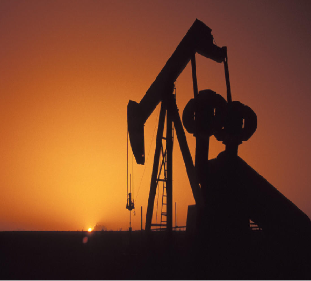
Oil Oil is formed when organic material is trapped under layers of sediment and is made up of hundreds of hydrocarbons.
|
Pros
- Oil is the most powerful fossil fuel, providing the most energy when burned.
- While many other sources of energy are still being developed, no new technology needs to be developed in order to use oil.
- The process of drilling and refining oil creates jobs.
- Oil has many uses, not just as a fuel sources. Certain detergents, fabrics, plastics, lotions, and inks are made in part from oil.
|
Cons - The burning of oil releases large amounts of pollutants such as carbon dioxide, nitrous oxides, and hydrocarbons.
- The United States is currently dependent upon foreign nations for its
crude oil supplies, making prices and supplies uncertain.
- Accidental oil spills such as the BP oil spill in the Gulf of Mexico
or the Exxon Valdez oil spill are always possibilities. Spills can
severely injure or even kill wildlife, thus unbalancing the food web.
This can also decrease recreational activities.
- Oil is nonrenewable. |
|