The Kyoto Protocol

The Kyoto Protocol was  first envisioned in 1997 with the goal to reduce the emission rate of greenhouse gases to below their 1990 level.


The Protocol sets up a system of emission trading. Countries are allowed varying levels of emissions, which they can then sell, buy, or trade with other nations.


At the time Michael Meacher, British Member of Parliament, called for emission reductions as high as 20%.

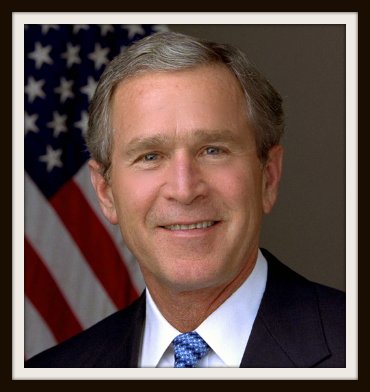
"I oppose the Kyoto Protocol because it exempts 80 percent of the world, including major population centers such as China and India, from compliance, and would cause serious harm to the U.S. economy."


The above quote by George W. Bush clearly states The United States' reasons for not ratifying the Kyoto protocol. It only called for cuts for industrialized nations, not industrializing, which the U.S. viewed as unfair.


It is also believed that ratifying the Koyoto Protocol would have cost the economy around $400 billion, which would have been accompanied by a loss of 4.9 million jobs.
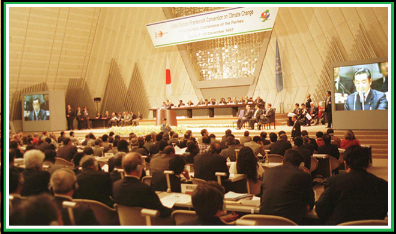
Currently 192 parties have ratified or accepted the Kyoto Protocol, including Japan, the European Union, and China.


However, while the United States signed the Kyoto Protocol on November 12, 1998, it was not approved by the Senate and therefore was not ratified.

 However, even without the support of countries such as the United States and Australia, the Kyoto Protocol has continued on.


Although the signatories were success in making cuts to their emissions, carbon dioxide levels continue to rise.


This free website was made using Yola.

No HTML skills required. Build your website in minutes.

Go to www.yola.com and sign up today!

Make a free website with Yola