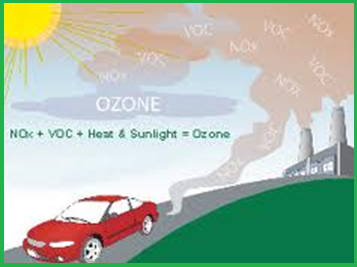
Stratospheric ozone is found at 20 to 30 km above sea level. This ozone forms when the sun causes two oxygen molecules to split apart. These two molecules then join back together along with a third oxygen molecule to form O3.
This considered to be "good ozone", because it absorbs incoming ultra violet radiation from the sun, most notably UV-B radiation. Human actions have been decreasing the amount of stratospheric ozone, especially the production of CFCs.
Without the ozone layer
these UV rays would reach the earth directly and would make life
unlivable. This rays cause numerous health effects for human, mostly
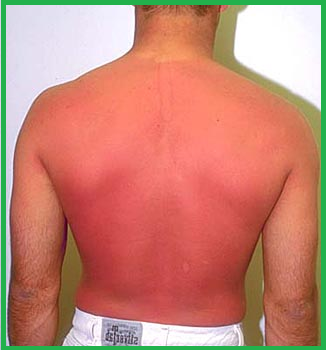
skin conditions. A short term effect of UV rays is sunburn, however,
long term effects are much more serious, including skin conditions such
as cancer.
UV-B radiation also
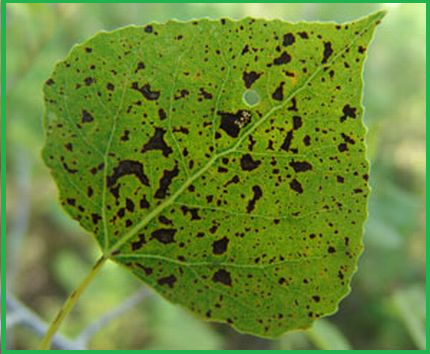
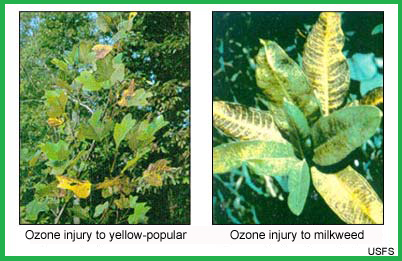
negatively affects plants. It interferes with the process of
photosynthesis in many plant species. It also leads to reduced crop
yields and plant size and creates a weakened resistance to disease.
Terrestrial organisms aren't the only ones affect. Phytoplankton is also harmed by UV rays, which decreases their productivity.