Criteria Pollutants


 What are Criteria Pollutants?

The criteria pollutants are a set of six pollutants that the EPA deemed to be especially harmful to human health. For each of these the EPA has set an allowed amount of emissions called National Ambient Air Quality Standards.


Carbon Monoxide

Basic Info: CO is colorless, tasteless, and has no smell.

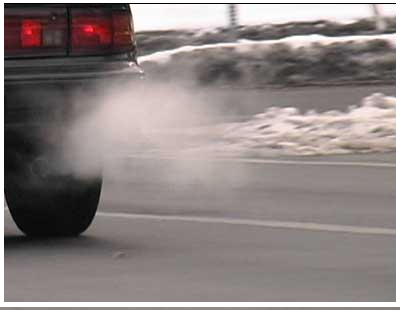
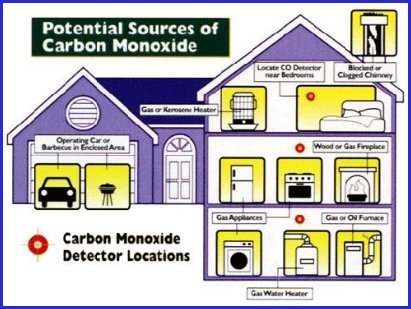
Source:  CO forms largely from the incomplete combustion of fuel, especially from vehicles and engines. However, it is also created through industrial processes, waste combustion, and residential wood burning.

Health Risk: CO reduces the ability of the blood to carry oxygen throughout the body by binding to hemoglobin in red blood cells. This can lead to damage to the body's organs, particularly the heart and the brain.

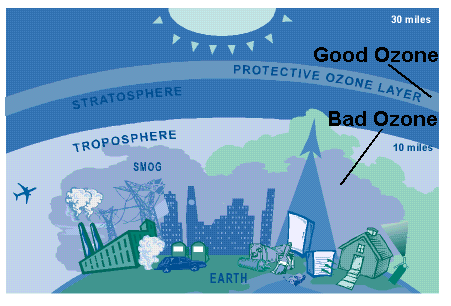
Environmental Risk: CO in the presences of sunlight is a major contributor to tropospheric ozone and smog, which are harmful to the health of humans, animals, and plants.

Standards: The current national standard for CO emissions is 9 ppm per 8 hour period.


Sulfur Dioxide:

Basic Info: SO2 is a colorless gas with an unpleasant scent. It is formed when sulfur reacts with oxygen.

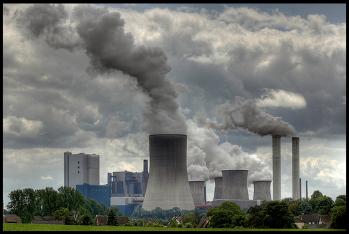
Source: SO2 comes mainly from coal combustion for energy and industry.

Health Risk: SO2 is linked to many respiratory ailments, such as intensified asthma symptoms and bronchoconstirction.

Environmental Risk: SO2 can form sulfuric acid, which can lead to acid precipitation.

Standards: Standards  SO2 for are currently set at 30 ppb per 8 hour period.

Nitrogen Dioxide:

Basic Info: NOx is a reddish brown gas with a pungent odor.

Source: NOx comes largely from the combustion of fuel by motor vehicles and electric utilities.

Health Risk: NOx is harmful to the respiratory system and lead to the increased suseptibility to respiratory diseases such as the fle.

Environmental Risk: NOx has the potential to contribute to the formation of both acid precipitation and smog. It can also contribute to eutrophication in coastal waters.

Standards: Current Nitrogen Dioxide standards are 100 ppb per one-hour period.


Tropospheric Ozone:

Basic Info: Tropospheric ozone is a colorless, foul-smelling secondary pollutant. While ozone in the stratosphere is beneficial, ozone in the troposphere is just the opposite.

Source: Tropospheric ozone results from the combination of sunlight, heat, nitrogen oxides, and volatitel carbon-containing chemicals.

Health Risk: Tropospheric ozone has a negative impact on lung functions. Short term exposure can lead to coughing, burning sensations, and chest tightness, while long term exposure can have much more serious effects.

Environmental Risk: Ozone negatively impacts wildlife similarly to how impacts humans. It also absorbed by plants, thus hindering their growth. This can lead to decreased crop yields.

Standards: Current ozone standards are set at .075 ppm per 8 hour period.

Particulate Matter:

Basic Info: Particulate matter consists of miniscule particles suspended in the air

Source: Particulate matter occurs naturally in the form of dust. It is also formed in industrial process during the burning of coal and during agricultural processes.

Health Risk: Particulate matter can cause respiratory problems including chronic bronchitis, aggravated asthma, and decreased lung function.

Environmental Risk: Particulate matter can be deposited by the wind into streams or lakes, causing them to become acidified. They can also be deposited on land causing damage to sensitive plant life.

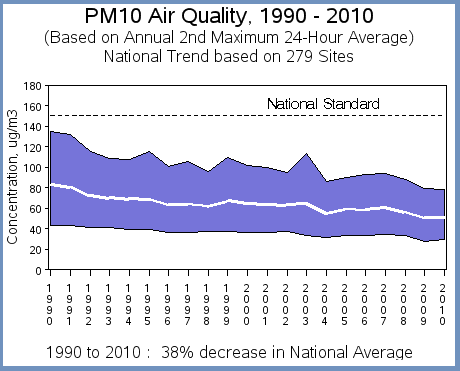
Standards: Current standards for particulate matter are 15 μg/m3 anually.


Lead:

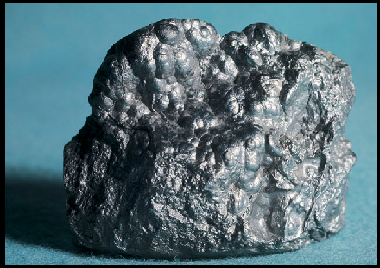
Basic Info: Lead is a heavy metal.

Source: Lead comes from many industrial sources such as smelters and utilities. However, lead also has many common household sources, including certain paints, batteries, car radiators, and even certain products made in foreign countries.

Health Risk: Lead can lead to brain damage and nervous system damage. These effects are generally more harmful in small children. Lead can also damage the reproductive system and cause birth defects.

Environmental Risk: The impacts that lead has on wildlife are similar to the impacts that it has on humans. It has also has the potential to enter bodies of water, thus negatively affecting the aquatic life and bio-accumulating in the food chain. Lead can also stunt the growth of crops and vegetation.

Standards: Current standards for lead emissions are 100 ppb per one-hour period.

This free website was made using Yola.

No HTML skills required. Build your website in minutes.

Go to www.yola.com and sign up today!

Make a free website with Yola