Changes in Biota

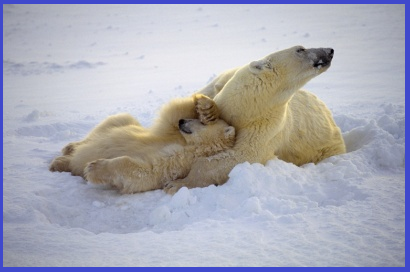
Perhaps the most well known example of how global climate change affects biota is the polar bear. The melting of arctic sea ice makes it increasingly difficult for the polar bears to hunt seals, their primary food source. Melting ice also causes polar bears to have to swim longer distances, which, if the the polar bear becomes to exhausted, can lead to drowning. However, the polar bear isn't the only animal affected by global climate change.

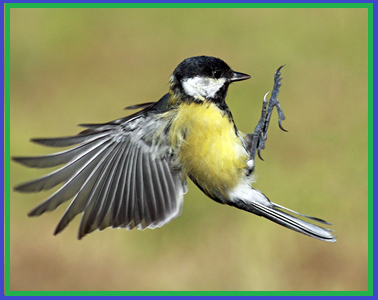
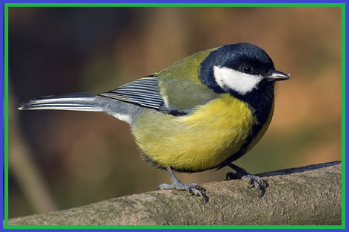
 Above and below are Great Tit birds.

 Global climate change will also impact the growth of plants. Because warmer temperatures are occurring sooner in the year, growing seasons occur sooner and last longer. The increase in carbon dioxide, which is necessary to photosynthesis, will also benefit plants.

However, areas experiencing increased flooding and droughts will likely end up with a decrease in plant life.

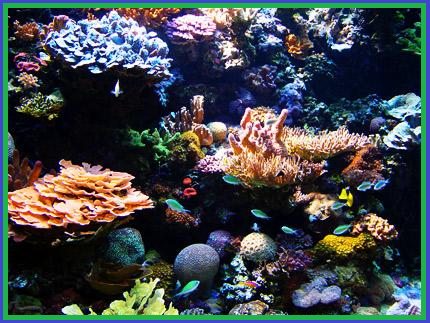
Aquatic will also suffer from global climate change. Increased atmospheric temperatures will lead to similar increases in oceans. This thermal increase will lead to the bleaching of coral, which will in turn lead to decreased habitat for marine life and decreased biodiversity.

Plants and animals are generally adapted to certain climate conditions and global climate change, as the name suggest, has a tendency to alter these conditions.

Warmer spring temperatures have caused birds to migrate earlier, insects to hatch sooner, and animals to breed sooner. This can have negative impacts on other species.

For example, bird species such as the great tits are usually hatched when caterpillars are most abundant, that way the newborn birds have a stable food supply. However, because caterpillars are hatching sooner, hatching season no longer occurs at the peak of the caterpillar population, leaving the birds with a smaller food source.

 Many organisms have begun to shift not only their breeding time, but also their habitat location. Many species are moving closer to the poles or higher in altitude in order to avoid warming temperatures. By 1991 British breeding birds had shifted their home 11 miles north of their 1962 location. This is a dangerous trend which could lead to 20% or even 30% of species being near extinction.
This free website was made using Yola.

No HTML skills required. Build your website in minutes.

Go to www.yola.com and sign up today!

Make a free website with Yola